The terminal became the serious place to run coding agents faster than anyone predicted. By mid-2026 there are 35 actively maintained CLI agents, and the field split into three camps: lab agents like Claude Code and Codex CLI, platform CLIs like Copilot and Cursor, and open-source harnesses. In that last camp, one project keeps showing up in comparisons for a specific reason. It has the widest feature surface of any harness shipping today.
That project is Omp, short for oh-my-pi. It started as a fork of Mario Zechner’s minimalist Pi harness and went in the opposite direction: instead of subtracting, it kept adding tools until the terminal started to behave like an IDE with an agent driving it. If you want to understand what a fully loaded open-source coding agent looks like in 2026, Omp is the reference point.
What Omp actually is
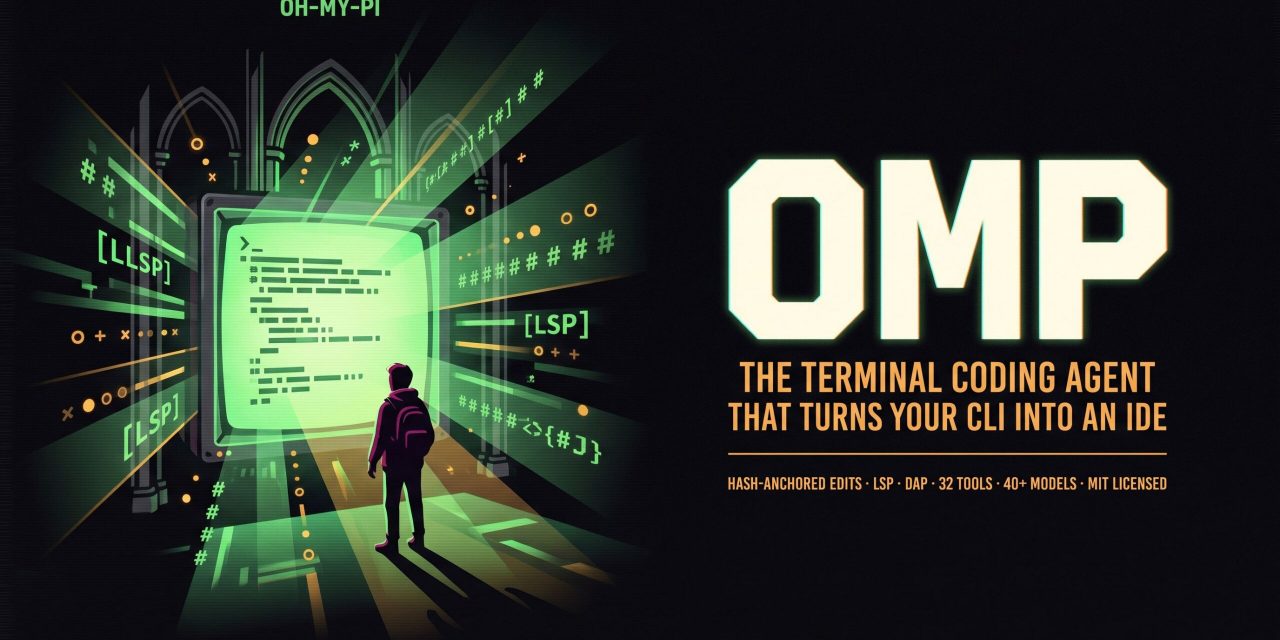
Omp is a coding agent that runs in your terminal, written on a Rust core of roughly 55,000 lines with a TypeScript extension layer. It ships 32 built-in tools, 14 LSP operations, 28 DAP operations, and connects to 40+ model providers. The license is MIT. Installation is a shell script on macOS and Linux, an npm package through Bun, or a PowerShell one-liner on Windows.
The design goal is stated plainly in the project: complete out of the box, open all the way down. Where Pi argues that a modern model needs only four tools and a system prompt under 1,000 tokens, Omp argues the opposite. Give the agent every capability an IDE gives a human developer, and let the model choose the right one.
The features that separate Omp from the pack
Hash-anchored edits
Ask any developer who has used coding agents heavily and they’ll describe the same failure mode: the model tries to apply a patch, the whitespace shifted, the string match fails, retry, retry, retry. Tokens burn and nothing lands.
Omp’s answer is Hashline. Instead of retyping the lines it wants to change, the model points at content hashes as anchors. If the file changed and the anchor no longer matches, the patch is rejected before it corrupts anything. On real workloads with Grok 4 Fast, the project reports 61 percent fewer output tokens on the same work. That number matters because the alternative isn’t just cost, it’s patches that quietly land on the wrong line.
LSP wired into every write
Most agents treat renames as text replacement. Omp routes them through workspace/willRenameFiles, which means re-exports, barrel files, and aliased imports get updated before the file moves. The agent knows what the IDE knows: diagnostics, references, code actions, symbol navigation. For refactors in TypeScript, Rust, Go, or Python projects, this is the difference between a clean rename and hunting broken imports for an hour.
A real debugger, not print statements
The agent drives DAP sessions directly. A C binary segfaults, Omp attaches lldb and inspects the frame. A Go service hangs, it attaches dlv and walks the goroutines. A Python process is stuck, debugpy pauses it and reads the variables. Breakpoints, stepping, stack inspection, variable evaluation, all exposed as tools the model can call. No other lab agent ships this as of mid-2026.
Stream rules that correct mid-token
Rules sit dormant until the model goes off-script. A regex match on the output stream aborts generation mid-token, injects a correction as a system reminder, and retries from that point. You get course-correction without paying the context tax of stuffing every rule into every prompt. Injections survive context compaction, so the fix sticks across long sessions.
Subagents with structured returns
The task tool fans work out into isolated git worktrees. Each worker runs its own tool surface. Results come back as schema-validated JSON objects the parent reads directly. No prose to parse, no merge conflicts between siblings, no orphaned edits floating around the filesystem.
A second model watching every turn
Assign a reviewer model to the advisor role and it reads every turn the main agent takes, injecting notes inline. Quiet asides for minor concerns, hard blockers for real problems. It runs on its own context and its own model, so it catches what the doer rushed past. The closest cousin in the category is Amp’s oracle, but Omp’s version runs continuously rather than on demand.
One read tool for everything
The read tool handles files, directories, archives, SQLite databases, PDFs, notebooks, and URLs through a single path. Point it at file.db:table and you get schema plus samples. Point it at file.db?q=SELECT… and you get read-only query results. Point it at pr://1428 and you get the pull request as if it were a file on disk. Twelve internal URL schemes resolve transparently inside every filesystem-shaped tool.
For a Rails project with a local SQLite database, this changes how the agent works. It doesn’t shell out to sqlite3, doesn’t write a helper script, doesn’t get the escaping wrong. The tool prompt teaches the model the shape and the model uses it correctly on the first attempt.
Where Omp fits and where it doesn’t
Honest positioning is worth more than marketing. Omp isn’t automatically better than Claude Code or Codex CLI for every job. What it offers is more harness leverage. When the extra features line up with the work, patches land cleaner and iterations get shorter. When the work is straightforward source code editing on a familiar repo, the gap between Omp and OpenCode or Codex is smaller than the feature list suggests.
Omp shines when projects go beyond plain source code. PDFs that need reading, SQLite fixtures that need querying, Jupyter notebooks, spreadsheets, archives, internal artifacts from previous runs, web pages that need to become structured text. Data science work, audits, migrations, document analysis, anything with mixed file formats. The universal read tool alone pays for the setup cost.
For pure Rails CRUD, Go backends, TypeScript frontends, or Rust CLIs, OpenCode is just as good and often more polished as a product. Claude Code still sets the vocabulary for planning and interactive iteration. Omp isn’t trying to replace either. It’s aiming at the developer who wants every capability exposed and is willing to configure the harness in return.
Model routing and cost engineering
Omp connects to 40+ providers and routes work by role. The default role handles normal turns. smol gets cheap models for subagent fan-out. slow reserves deeper reasoning for hard steps. plan and commit get their own model choices. You can override at launch, cycle through configured models with a hotkey, or swap mid-session with a slash command.
Fallback chains handle rate limits automatically. Path-scoped model configs let one repo use different models than the rest of your work without touching global config. Round-robin credentials rotate API keys with session affinity when one key would otherwise burn its quota by lunch.
For DeepSeek V4 users specifically, official documentation notes that Omp ships DeepSeek model entries as of v14.5 but the built-in compatibility is incomplete. A custom models.yml is required for reliable tool use in thinking mode, with three critical fields: supportsToolChoice: false, requiresReasoningContentForToolCalls: true, and requiresAssistantContentForToolCalls: true. Miss those and long conversations with tool calls return 400 errors. The workaround is documented, but it’s a reminder that provider compatibility on the bleeding edge still needs attention.
Inheriting configuration from other tools
Switching harnesses used to mean rewriting rules, skills, and MCP server definitions from scratch. Omp reads eight formats already on disk in their native shape: .claude, .cursor, .windsurf, .gemini, .codex, .cline, .github/copilot, and .vscode. No migration script, no YAML port, no supported subset with footnotes. Configuration your team wrote last quarter still works tonight.
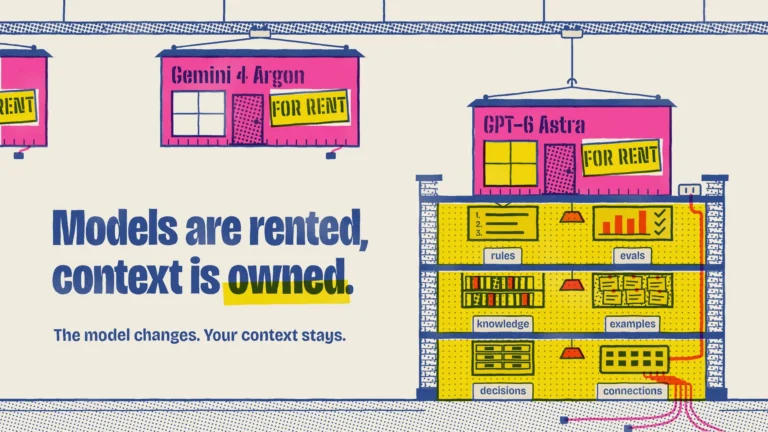
This matters for teams evaluating multiple agents in parallel. The config outlasts the branding. When Claude Code ships a new feature, checking whether Omp already has it costs nothing. When Gemini CLI got a June 18 kill date for consumer users, teams that kept portable configs migrated in an afternoon rather than a quarter.
Git as a first-class surface
The omp commit command reads the working tree, splits unrelated changes into atomic commits ordered by their dependencies, and rejects dependency cycles before writing anything. Source files score above tests, docs, and configs, so the headline commit is the one that matters. Merge conflicts become files: write @ours, @theirs, or @base to conflict://N and the file resolves cleanly. Bulk form is conflict://*.
The /review command spawns dedicated reviewer subagents that sweep branches, single commits, or uncommitted work in parallel. Issues get ranked P0 through P3 with confidence scores and a final verdict on whether the change ships. Four of the five leading CLI agents ship review now, but Omp’s version leans hard into parallelism and structured output.
Worth the setup cost
Omp isn’t the right pick for someone who wants a chat-style assistant that works immediately with zero configuration. The learning curve is real. Bun 1.3.14 or higher is required, the tool count is high enough that you’ll want to scope which ones are active per project, and the flexibility means more decisions upfront.
What you get in return is a harness where the boring failure modes get engineered away. Edits that don’t corrupt files. Renames that don’t leave broken imports. Debuggers instead of guesses. Reviewers that catch what the doer missed. A read tool that speaks every format your project touches. When those capabilities match your work, the productivity gain is real and durable.
The harness matters more than the model brand
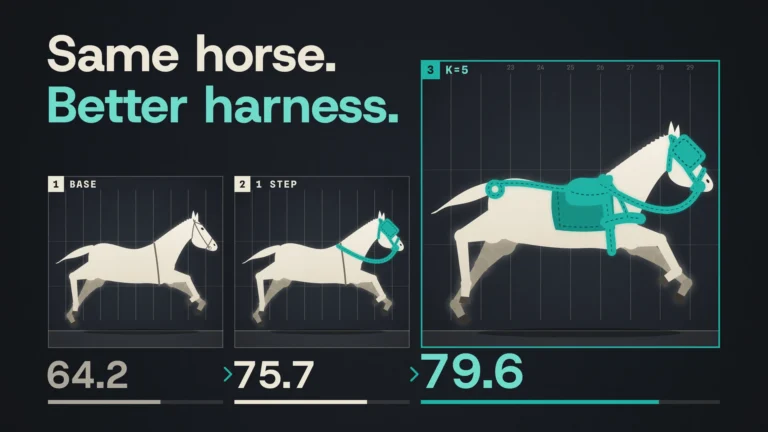
The whole point of the CLI agent boom is that model quality alone doesn’t win. Two harnesses running the same model produce different results because the harness decides what the model sees, which tools it can call, how it recovers from failure, and when it stops. Omp’s bet is that if you expose every capability an IDE has to the agent, and route work by role across cheap and expensive models, you close the gap between frontier subscriptions and open-weight coding by an amount that pays for itself in a few sessions. That bet won’t hold forever, but for mid-2026 the argument still stands.