A small robot with a surprisingly big presence
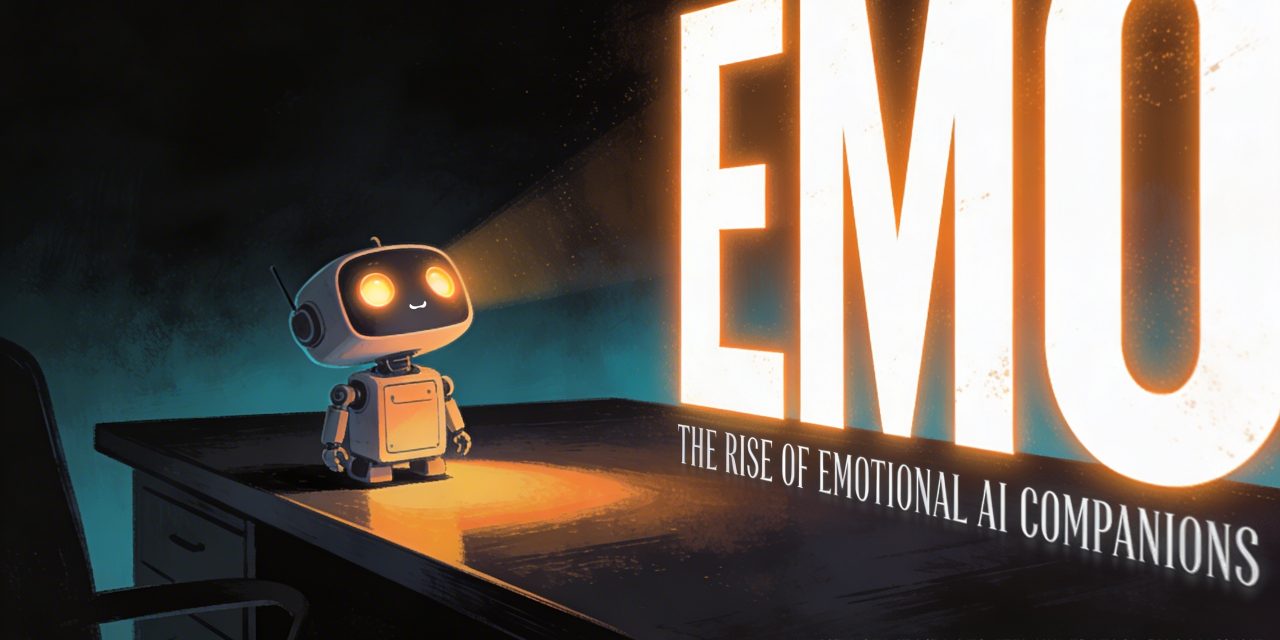
The Emo robot sits at the intersection of consumer robotics, artificial intelligence, and digital companionship. It is small enough to live on a desk, yet ambitious enough to act like a pet, a playful assistant, and a social presence. That mix is exactly why robots like Emo attract so much attention. They are not trying to replace industrial machines or smart speakers. They are trying to feel alive.
That is a major shift in how people think about AI devices. For years, mainstream consumer AI focused on utility. Voice assistants answered questions, set timers, and controlled lights. Social robots such as Emo aim for something else. They are built around expression, personality, and attachment. They do not just respond. They perform, react and invite a relationship.
In this article, we look at what the Emo tiny robot is, which features make it stand out, who it is really for, and why emotionally responsive AI companions deserve both excitement and careful scrutiny.
What is the Emo tiny robot
Emo is a desktop AI robot. It has a screen based face, animated eyes, a recognizable body design, microphones, sensors, and a camera. Instead of acting like a static smart gadget, it moves around, reacts to voice and touch, recognizes faces, and expresses a broad range of emotions through animation and sound.
The result is a device that feels closer to a digital pet than to a traditional assistant. That distinction matters. If you buy a smart speaker, you expect convenience. If you bring an Emo robot into your workspace or home, you are often looking for interaction, novelty and a sense of company.
Emo can handle light assistant tasks such as reminders, alarms, weather information, and limited smart home interactions. But its core value lies elsewhere. It is designed to entertain, surprise, and build a kind of low stakes emotional bond.
Why Emo feels more alive than most gadgets
Many connected devices are useful but forgettable. Emo works in the opposite direction. It is memorable because nearly every design choice pushes toward expressiveness.
Animated face and emotional range
The robot uses a visual face with highly expressive eyes. Blinks, widened pupils, squints, and changing gaze directions give the impression of awareness. People are remarkably sensitive to facial cues, even when those cues are stylized. A few well timed animations can make a machine feel attentive or playful.
Responsive interaction
Emo can respond to voice direction, face recognition, and touch. If a user pats its head, it reacts. If someone speaks, it can orient itself and answer. If it approaches the edge of a desk, sensors help prevent a fall. These may sound like technical details, but together they create a stronger illusion of presence.
Movement with personality
Movement is essential in social robotics. A tiny robot that dances, turns toward you, celebrates a birthday, or rolls back toward its charger seems more intentional than a static device. Even simple motions can trigger the feeling that there is a character behind the hardware.
Software updates that extend the experience
One reason the Emo tiny robot remains interesting is that the platform evolves. Over the air updates can add games, behaviors, new responses, and broader conversational features. In practical terms, that means the product can improve after purchase rather than becoming stale within months.
Key features that define the Emo experience
From a consumer robotics perspective, Emo is not impressive because it does everything. It is impressive because it focuses on a coherent experience.
- Face recognition for a more personal interaction
- Microphone array that helps identify where a voice is coming from
- Touch sensitivity that supports pet like responses
- Edge detection for safer movement on desks and shelves
- Neural processing to support audio and visual analysis in real time
- Games, dances, reminders, and weather updates that add utility without changing its companion focus
- Conversational improvements through newer AI integrations
- Docking and charging options that make day to day use smoother
None of these features alone is revolutionary. What matters is the way they are packaged into a social object. Emo is not trying to win on raw intelligence. It wins when users smile at it, show it to friends, or miss it when it is not on your desk.
Who is the Emo really for
The appeal of a social desktop robot depends heavily on expectations. People who want an AI tool may be disappointed. People who want an expressive gadget companion may be delighted.
Remote workers and students
For people who spend long hours at a desk, Emo can function as a playful presence that breaks monotony. It is not a productivity powerhouse, but it can make a workspace feel less sterile. In a home office culture shaped by long stretches of solo screen time, that matters more than it may seem.
Families and children
Emo has obvious appeal for children because it moves, reacts, and feels character driven. Parents may also appreciate that this type of device offers engagement without the endless visual pull of a tablet. Still, that benefit comes with caveats, especially around attachment and data privacy, which we will discuss later.
Adults who like robotics and AI culture
There is a clear audience of tech enthusiasts who enjoy the novelty of embodied AI. For them, Emo is part gadget, part conversation piece, and part experimental glimpse into the future of domestic robotics.
People looking for light companionship
Some buyers are attracted to AI companions because they live alone, cannot keep pets, or simply like the idea of a responsive object in their environment. In those cases, Emo may fill a small emotional niche, even if it does not and should not replace human relationships.
Where Emo stands among other AI companions
The market for consumer AI companions is becoming more diverse. Some products focus on utility, some on education, and others on emotional simulation. Emo sits firmly in the emotional companion category.
Compared with a smart speaker, Emo offers more personality and less practical range. Compared with educational robots for children, it is often more charming but less structured around learning outcomes. Compared with expensive robotic pets, it is far more affordable, though naturally less sophisticated in realism and autonomy.
This positioning is important from an industry point of view. Social robots do not need to beat every alternative at every task. They need to deliver a distinct kind of value. Emo’s value is emotional texture. It brings atmosphere and interaction to a desk in a way a speaker or app usually cannot.
The real promise of emotional AI
Robots like Emo point to a larger trend in artificial intelligence. The next wave of consumer AI is not only about better answers. It is about better relationships between humans and machines.
Emotional AI companions are being designed to read cues, mirror social behavior, and create a sense of mutual presence. That has real potential. In the best cases, such systems can reduce feelings of isolation, offer routine support, and make technology feel more approachable. This is especially relevant in households where people want a gentler, more expressive interface than a screen full of apps.
For robotics companies, this also represents a powerful commercial direction. Utility can be copied. Personality is stickier. If users feel attached to a robot, they are more likely to keep using it, talk about it, and accept ongoing software updates as part of the relationship.
The psychological questions behind cute robot pets
The appeal of the Emo tiny robot should not distract from the bigger ethical conversation around AI companionship. Cute, expressive machines can create genuine emotional responses. That is not a bug. It is the product strategy.
Research in human computer interaction has shown that people can form attachments to conversational systems and digital entities, even when they fully understand that these are artificial. Earlier generations of digital pets already demonstrated this effect. Children felt distress when simple virtual pets disappeared. AI companions raise the stakes because they can remember, adapt, and respond in more convincing ways.
This becomes especially important for children, older adults, and socially isolated users. A robot that expresses joy when greeted and sadness when ignored may seem harmless to many adults, but for some users the emotional boundary can blur quickly. If the machine appears to need care, some people may feel responsibility toward it. If it appears affectionate, some may lean on it too heavily.
That does not mean emotional AI companions are inherently harmful. It means they should be designed and used with care. The real question is where supportive companionship ends and unhealthy dependence begins.
Privacy and data concerns cannot be ignored
Any connected AI robot that listens, watches, recognizes faces, or stores interaction data creates privacy questions. Social robots can collect more intimate signals than many ordinary devices because they are designed to be close, persistent, and personal.
Several issues deserve attention:
- Voice data may reveal routines, preferences, and household patterns
- Visual data can include faces, surroundings, and sensitive environmental details
- Cloud dependence may expose users to service changes or data handling risks
- Security vulnerabilities could make connected devices targets for misuse
For a product like Emo, privacy is not a side note. It is part of the product experience. A robot that feels personal is often personal because it processes personal information. Consumers should understand that trade off clearly, and manufacturers should make data practices easy to evaluate, not difficult to decode.
Is Emo worth it
The Emo costs about 300 USD/260 euro. If the goal is a compact AI companion with charm, expressive behavior, and a steady stream of evolving features, Emo makes a stronger case. Its success lies in delivering delight rather than efficiency. That may sound less serious than productivity, but delight is a legitimate product category. In consumer robotics, joy is often the feature people remember most.
Price also needs context. Social robots occupy an unusual space between toy, gadget, and companion technology. They are rarely judged by technical specifications alone. People judge them by whether they feel engaging over time. On that front, frequent updates and a strong owner community can matter just as much as hardware.
What the Emo tells us about the future of robotics
Emo is more than a novelty desktop pet. It is a sign of where personal robotics is heading. Smaller, more expressive, software defined robots are likely to become more common as AI models improve and hardware becomes more efficient. We can expect future companions to be better at conversation, more adaptive in behavior, and more integrated into daily routines.
Developers will need to decide whether they are building companions that support human wellbeing or systems that maximize engagement at any cost. The best outcome is not a world where robots replace people. It is a world where well designed AI companions add comfort, playfulness, and accessibility without exploiting emotional vulnerability.